
Calcium for Mom and Baby: Exploring The Essential Role During Pregnancy

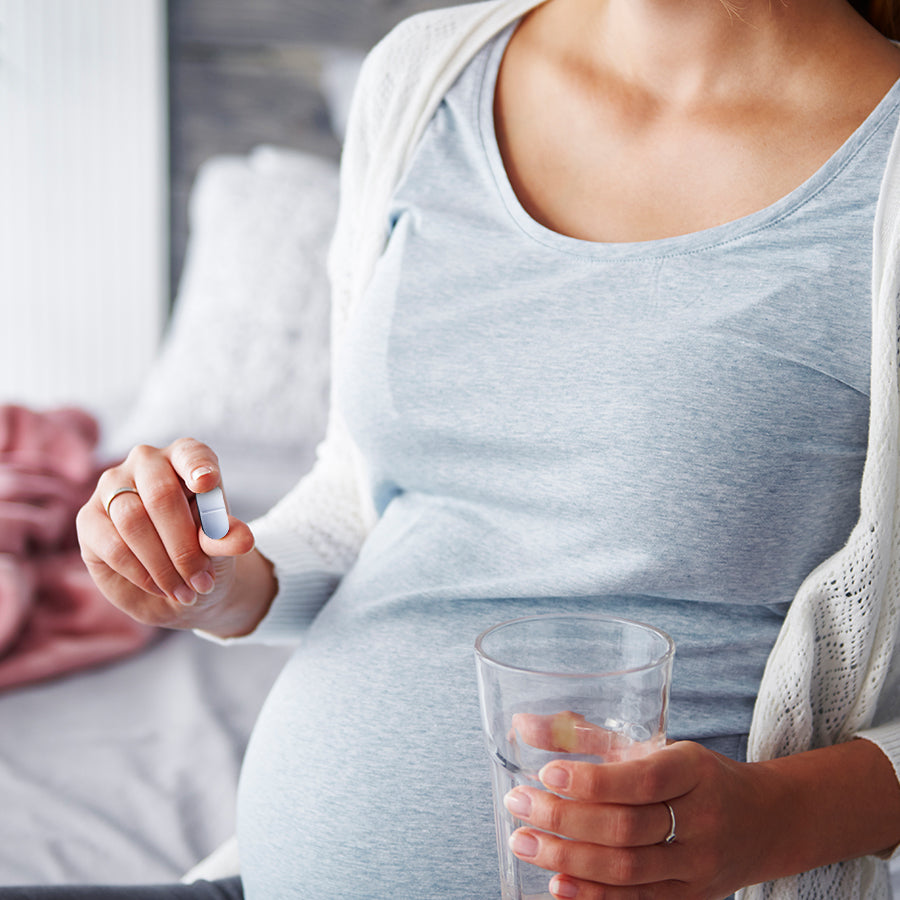
During pregnancy, it is even more important to take care of your pregnancy and bone health as the growing baby too requires calcium and other nutrients. These are taken from the mother’s tissues if they are not available in the diet. Adequate calcium intake, along with vitamin D and other nutrients, is essential for maintaining bone health during pregnancy. Regular weight-bearing exercises and avoiding smoking and excessive alcohol consumption can also help in keeping bones healthy.
n
Introduction
n
Pregnancy is an exciting time filled with anticipation, joy, and a whole lot of changes. As your body works to support the growth and development of your baby, it is important not to overlook your own health. While you may be focussed on eating a healthy diet and staying active, your bones also need some special attention during pregnancy. Why, you ask? Well, your baby relies on you for calcium and other essential nutrients. If your diet lacks necessary calcium and vitamin D, your body will take them from your bones, thereby leading to pregnancy bone pain, bone loss and weakening. This can place you at an increased risk of fractures and other complications during pregnancy and in the post-partum period.
n
Luckily, there are some steps you can take to ensure that your bones stay healthy during this critical time of hip-bone pregnancy. By making smart food choices, getting regular exercise, and working with your healthcare provider, you can protect your bones and support healthy growth of your baby.
n
Importance of Nutrients in Pregnancy
n
It is crucial to maintain a healthy diet during pregnancy, as it enables you to cope with the additional physical demands that come with each trimester. The objective is to strike a good balance between providing your growing foetus with adequate nutrition while also ensuring that you maintain a healthy nutritional status.1
n
Among all the nutrients, calcium is probably the most important during pregnancy. Apart from maintaining pregnancy and bone health, calcium lowers the risk of developing a serious medical condition called preeclampsia. Preeclampsia can lead to significant maternal health complications and increase the risk of preterm birth, which is a primary cause of early neonatal and infant death.2
n
In fact, during the third trimester of pregnancy, bone deposition peaks in the baby, i.e., 350 mg/day. As a result, there is a high demand for calcium by pregnant women during the third trimester. According to research, pregnant women who have a daily consumption of 1171 mg of calcium, can absorb 57% of calcium during the second trimester and 72% calcium during the third trimester.3
n
Additionally, calcium lowers the risk of preterm delivery in women by reducing the contraction of uterine smooth muscles.4 It also lowers pregnancy bone pain.
n
Is your Diet enough for the Calcium you need?
n
Calcium is acquired by the body through two means: having calcium-rich foods or supplements and utilizing the body’s existing calcium stores i.e., bones. In instances where calcium intake from food is insufficient, the body will extract calcium from the bones by a process called demineralisation. While it is optimal to replenish the ‘borrowed’ calcium from the bones, this isn’t always possible by simply increasing calcium intake. Relying solely on dietary calcium also may not be enough to ensure good bone health. Therefore, it is important to include reliable calcium supplements like Calcimax 500 in your diet to maintain pregnancy and bone health.5
n
n
You can include calcium-rich foods such as milk and other dairy products like cheese, yoghurt, green leafy vegetables, broccoli, fortified foods like cereals, juices, sesame seeds, etc.1
n
Generally, adults need 1000 mg of calcium every day. During pregnancy, this requirement goes up to 1200 mg per day.1 In such cases, your doctors will suggest you some calcium supplements to reduce pregnancy bone pain.There are different types of calcium supplements available on the market which include calcium carbonate, calcium citrate, etc. that have slightly different action. However, all of them boost calcium levels and can be extremely beneficial in pregnancy.
n
Conclusion
n
As you can see, it seems wise to include calcium supplements in the diet during pregnancy to ensure optimal bone health for the mom and the rapidly growing baby.
n
The Calcimax 500 tablet designed by Vitabiotics, the world’s No. 1 multivitamin company, offers 500 mg of elemental calcium. This takes care of 50% of your daily calcium requirement. 2 tablets a day can ensure you get the entire day’s calcium. Along with calcium it also contains, vitamin D, magnesium, and L-Lysine. Together they help in the absorption and utilisation of calcium and are strong antioxidants. They also aid in strengthening the bone, and prevent pregnancy-related complications like preeclampsia, premature delivery, and cramps.
n
So, make the most of Calcimax 500 tablets by ordering your pack of 30 tablets from the website Vitabiotics.in and be stronger each day during your pregnancy.
n
References:
n
- n
- nNutrition during pregnancy [Internet]. American College of Gynaecologists. [cited 2023 May 8]. Available from: https://www.acog.org/womens-health/faqs/nutrition-during-pregnancy#:~:text=Eating%20well%20is%20one%20of,and%20maintaining%20a%20healthy%20weightn
- nPregnancy and nutrition [Internet]. U.S. National Library of Medicine; [cited 2023 May 8]. Available from: https://medlineplus.gov/pregnancyandnutrition.html n
- nJC; HAE. Role of calcium during pregnancy: Maternal and fetal needs [Internet]. U.S. National Library of Medicine; [cited 2023 May 8]. Available from: https://pubmed.ncbi.nlm.nih.gov/22747842/ n
- nKumar A, Kaur S. Calcium: A nutrient in pregnancy [Internet]. U.S. National Library of Medicine; 2017 [cited 2023 May 8]. Available from: https://www.ncbi.nlm.nih.gov/pmc/articles/PMC5561751/ n
- nCalcium [Internet]. Harvard.edu. 2023 [cited 2023 May 8]. Available from: https://www.hsph.harvard.edu/nutritionsource/calcium/ n
n
n
n
n
n