
What is Osteoporosis

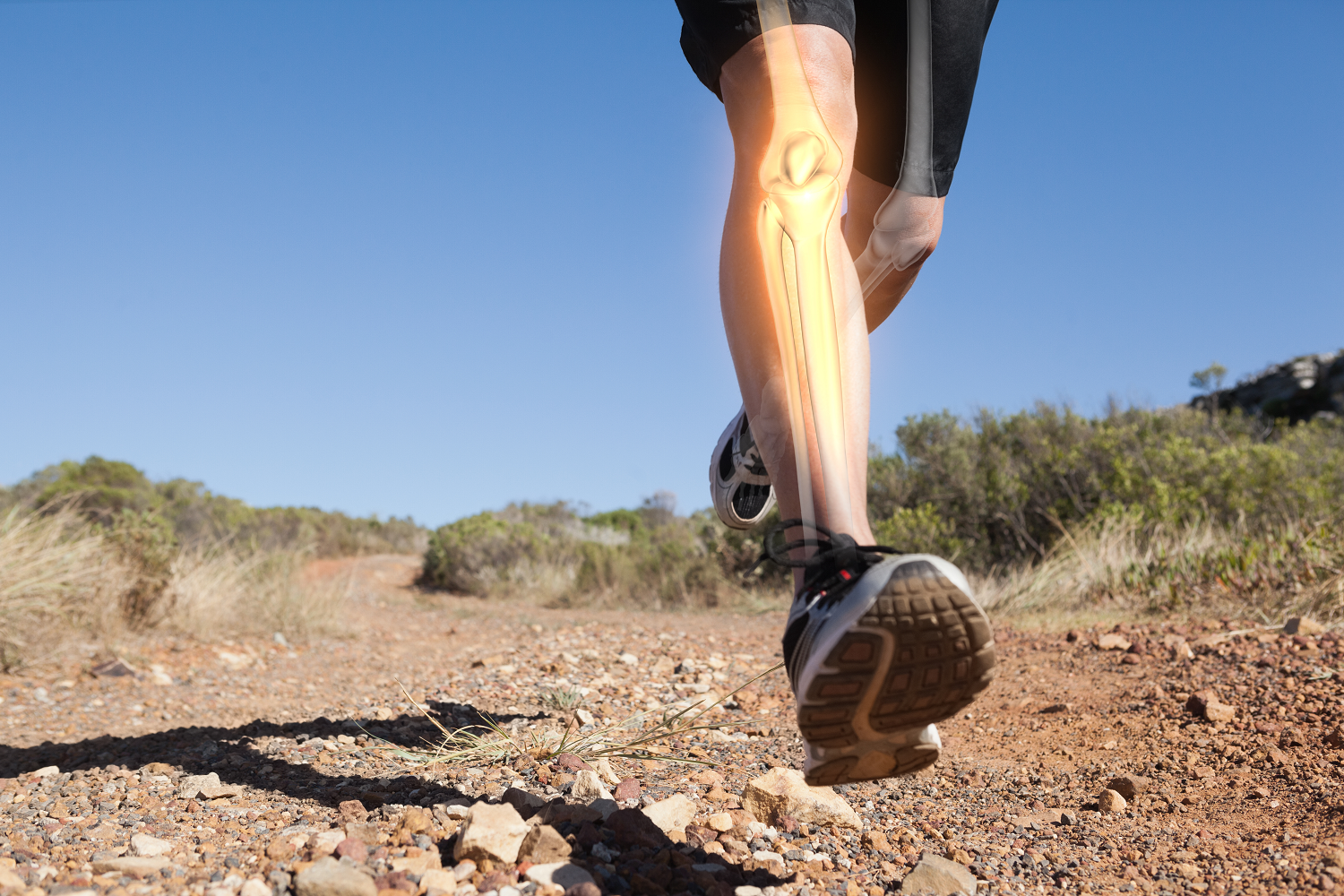
Osteoporosis is a condition that occurs due to gradual loss of bone mineral density, leading to bones become pores, fragile and increased susceptibility to fractures. Osteoporosis is often called as “silent disease” is a disease characterized by low bone mass and structural deterioration of bone tissue.
n
Diagnosis
n
Bone mineral density scan is the only method for diagnosis of osteoporosis. The National
n
Osteoporosis Foundation recommends following individuals for BMD scan:
n
- n
- All women above 65 regardless of risk factors
- All younger postmenopausal women with one or more risk factors
- Post-menopausal women who present with fractures
n
n
n
n
T-Score
n
The T-score is the number of standard deviations by which a person’s BMD differs from that of healthy young adults. In general, lower the T-score, more fragile the person’s bones. The T-score is therefore a rough indication of the need for treatment in adults.
n
The World Health Organization has defined the following categories:
n
- n
- Normal Bone: T-score better than -1
- Osteopenia: T-score between -1 & -2.5
- Osteoporosis: T-score less than -2.5
n
n
n
n
Osteoporosis: A Global Health Burden
n
- n
- According to World Health Organization (WHO), Osteoporosis is second only to cardiovascular disease as a global healthcare problem.
- Affects over 200 million people worldwide.
- Over 50% of women & 30-45% of men over age 50 have osteopenia/osteoporosis.
n
n
n
n
10% loss of bone mass in the vertebrae can double the risk of vertebral fractures, and similarly, a 10% loss of bone mass in the hip can result in a 2.5 times greater risk of hip fracture.
n
1 out of 8 males and 1 out of 3 females in India suffers from osteoporosis, making India one of the largest affected countries in the world.
n
In most Western countries, while the peak incidence of Osteoporosis occurs at about 70-80 years of age, in India it may afflict younger, at age 50-60.
n
Osteoporosis Signs & Symptoms
n
In its early stages, there are no symptoms associated with osteoporosis but as it progresses it can cause
n
- n
- Fractures of the vertebrae, wrist or hips
- Low back pain
- Neck pain
- Bone pain or tenderness
- Loss of height over time
- Stooped posture
n
n
n
n
n
n
n
Osteoporosis Risk Factors
n
- n
- Non-Modifiable Risk factors Modifiable Risk factors
- Age Alcohol
- Family history Smoking
- Menopause/ Hysterectomy Poor nutrition
- Long term glucocorticoid therapy Insufficient exercise
- Limitation of treatment options available for Osteoporosis:
- Treatment Options Limitation
n
n
n
n
n
n
n
n
n
- n
- Provides 100% pure pharmacopoeia grade calcium carbonate with higher Elemental Calcium of 400 mg.
- Provides synergistic combination of Calcium & Magnesium which is essential: o For absorption, utilization & mineralization of calcium o For optimum fetal growth & development.
- To prevent complications of pregnancy like PIH, preeclampsia, IUGR, premature delivery & leg cramps.
- For decreasing urinary calcium excretion.
n
n
n
n